
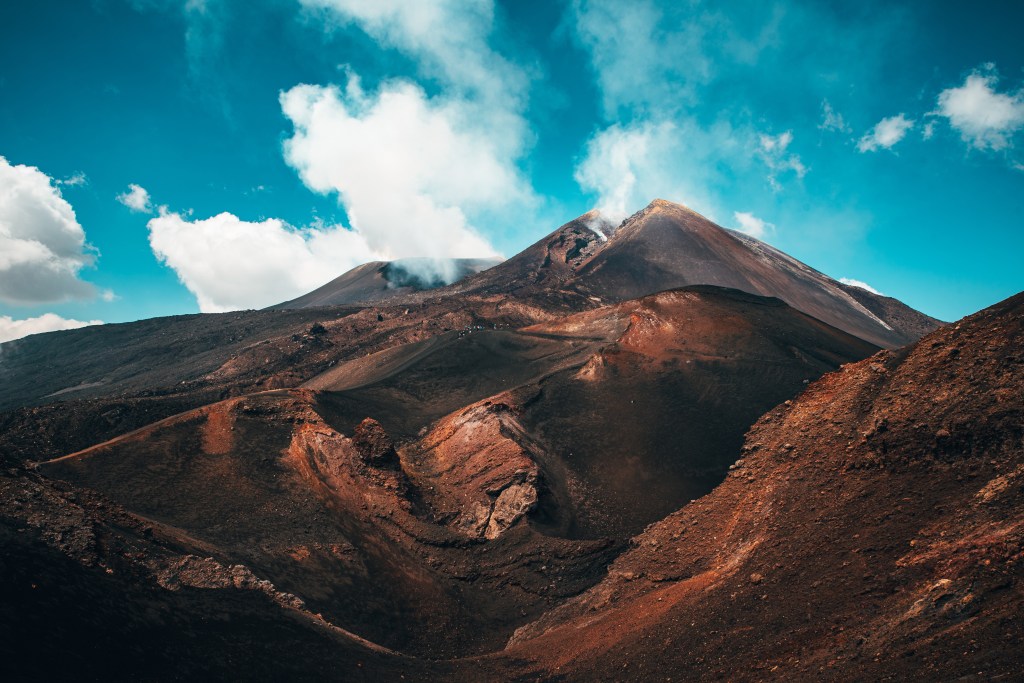
It was summer, 2012. My wife and I were heading down to Pueblo, CO with our three sons for the weekend to visit family. Now, we’ve made that drive more times than I can count over the years, so when we passed through Colorado Springs, everyone immediately noticed something different about the skyline…
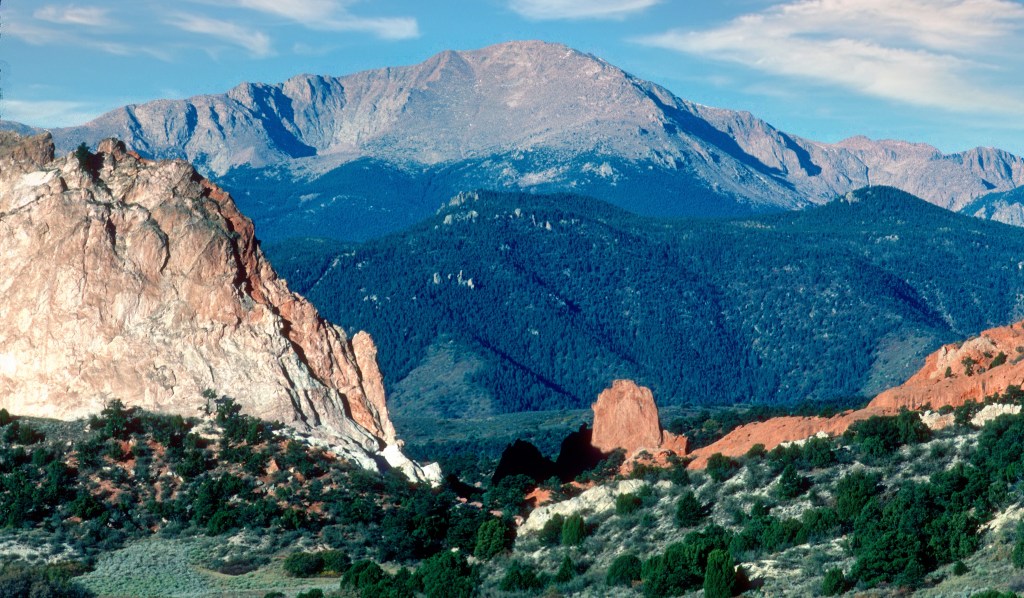
Pikes Peak, which is normally a large, looming feature of the horizon, just to the west of the city, was conveniently covered by a sky full of low-hanging clouds. It created the perfect optical illusion– one that made it look like the iconic peak had disappeared. I decided to capitalize on the rare opportunity I had to traumatize my children in a way that only a father can do.
“Oh, that’s right,” I said with the exuberance of someone who was honestly surprised, “Pikes Peak fell into a sinkhole! I totally forgot about it until just now…”
The boys all leaned over to look out the window of our Towne and Country as we drove past, their eyes wide and their jaws hanging open. I could tell they were buying it hook, line and, well… Sinker.
“Whoa!?” They gasped.
“Yeah, I saw it on the news… It was the biggest sinkhole in history! Guess it finally caved in.”
I could feel my wife glaring at me from the passenger’s seat, silently begging me to stop. Naturally, I avoided direct eye contact with her.
To this day, I don’t know how I held back my laughter when each one of my sons not only took the bait, but started actively substantiating the claim…
“Oh yeah!” One of them said, “That’s crazy! It’s like half the size it used to be!”
“I think I felt it when it happened,” another admitted. “Didn’t it cause an earthquake?”
I chuckled lightly as my wife shook her head in disapproval, but it was too late. The seeds of disinformation had already been planted. My job was done…
A few years later, we were all sitting around the dinner table talking about the massive volcano in Wyoming (yes, our family has some off-the-wall conversations sometimes, but at least that one is true), when one of the kids resurrected the legend of Pikes Peak:
“Who knows what’s underground, right under our feet,” they asserted. “I mean, remember Pikes Peak?”
“What are you talking about?” I asked.
“When it fell into that sinkhole…”
I almost spit out my water.
“You remember that?”
Oh, yes! Not only did each of them remember, but they had all repeated the lie to at least one other person. One of them went so far as to argue the point in an open classroom debate no less! Evidently, they were so convinced of the story’s veracity, that they firmly stood their ground as their teacher tried in vain to set them straight. Indeed, for my boys, this wasn’t just hearsay… It was a cold, hard fact.
Of course, I laughed uncomfortably before proceeding to come clean–
“It’s like the marshmallow tree, or people going insane if they’re locked in an orange room for too long… You know, I just made it up!”
There was no getting around it, though. The next thirty minutes of my life was spent awkwardly apologizing for the deep emotional anguish I had carelessly imbued in each of their young minds.
In the end, a valuable lesson was learned that day; Dad can’t always be trusted. Not only that, but everything they thought they knew about the world might very well be wrong.
I’ve since vowed to tell my children the truth about everything… At least, eventually. After all, I still have to have my fun, and taking advantage of their dwindling gullibility as they get older is nothing short of priceless!
On the real, however, I have to ask; who’s there to tell people the truth when it comes to the things that divide us as a nation– the beliefs we form our identities and sense of reality with?
To put an even finer point on it, we find ourselves in a world where more and more people rely on “authority figures” to mold their ideologies and perspectives of the world. While this has always been true throughout history, I think we can all agree that we’re living in extraordinary times. The acceleration of internet communication, social media and artificial intelligence has created an environment where it’s nearly impossible to tell what’s true and what’s not.
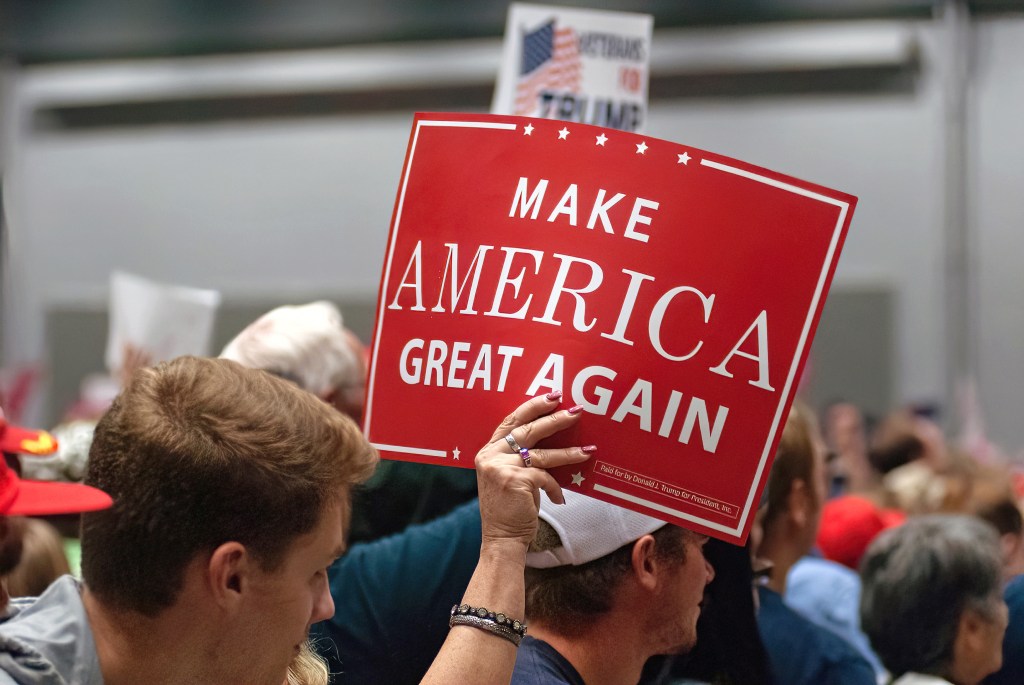
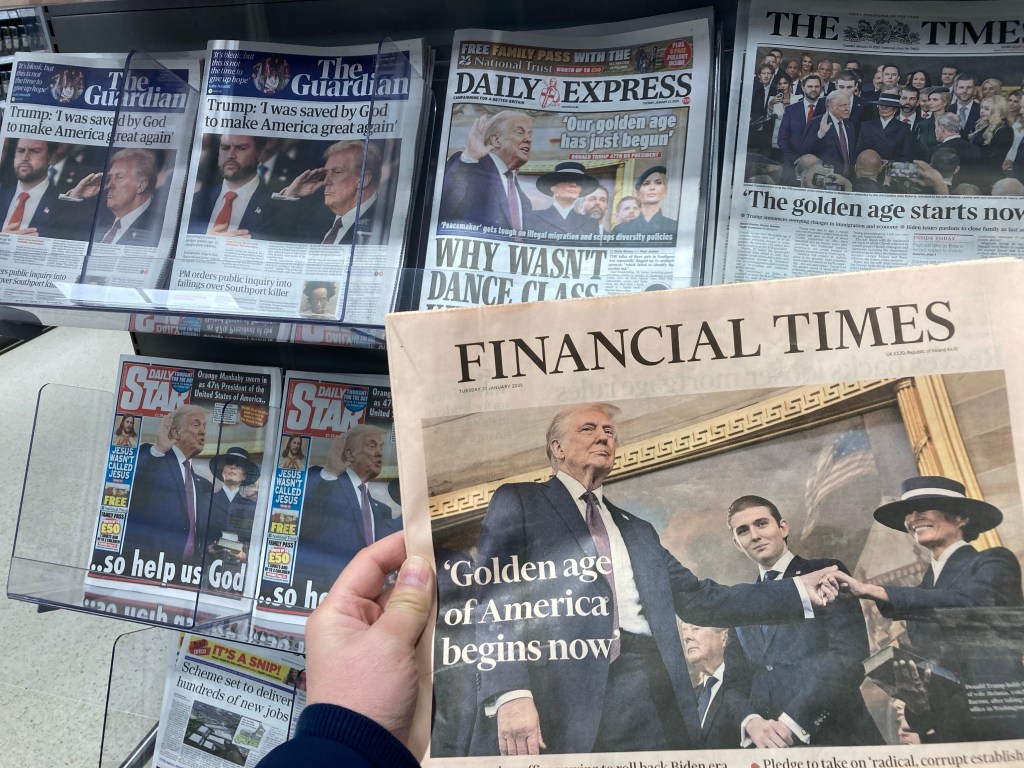
Moreover, there’s an entire industry of “commentators” on all sides of the political spectrum who have unearthed vast fortunes by portraying themselves as reliable sources of factual information. Whether they’re true or not, their opinions are injected into the mainstream consciousness via notifications that we’re powerless to resist. Often, they’re interlaced with the same kinds of ‘facts’ that convinced my sons of Pikes Peak’s demise.
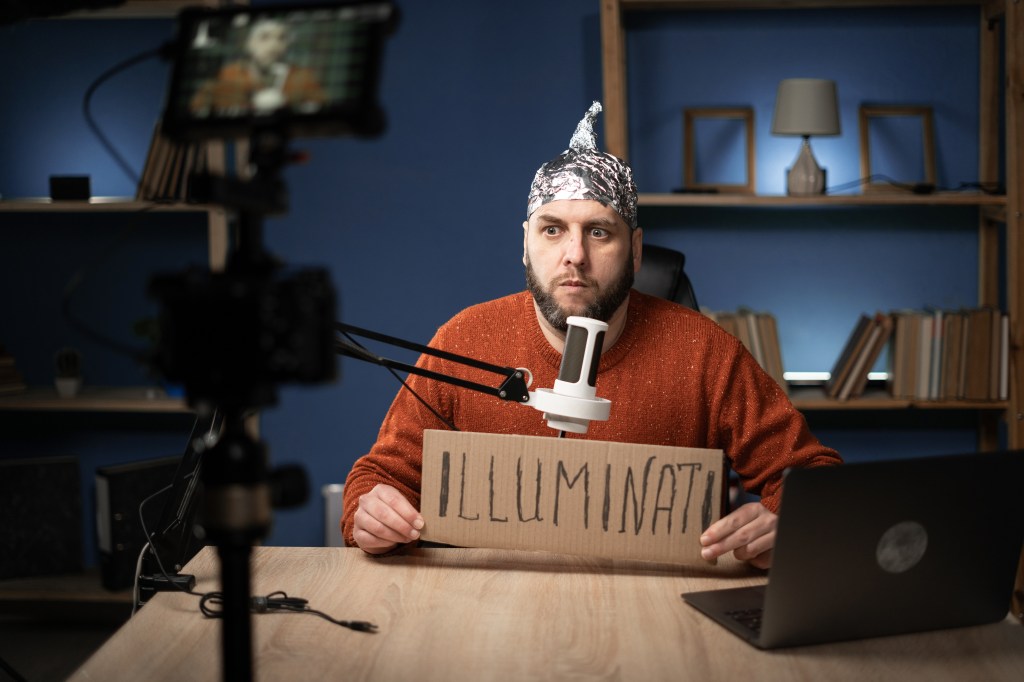
Now, if it’s entertainment, then that’s one thing– Everyone loves the drama of a good conspiracy theory, whether we like to admit it or not…
But, when it’s sealed into the folds of our brains as an indisputable fact, there’s a problem. The current political divide is only one symptom of it. The others– more serious– are the hatred and emotional upheaval that any one of us might experience when our sense of reality is called into question. Nobody is immune to it, though we all think we are.
So, what do we do? As a society, what steps can we take to identify the truth of a given situation? Is it as easy as putting labels on the media we consume, similar to movie ratings? Is it worth amending the Constitution to add certain types of media fabrications and propaganda to the list of illegal speech, similar to libel, slander or threatening physical harm? If so, what implications does that have for our freedom as a whole?
Probably most important question of all is how do you identify truth from fiction?
I’d love to know your thoughts! Leave a comment below.






Leave a comment