

Once, in my early days of entrepreneurship, I took a job liquidating the items in an old storage unit. Ah, the things business owners do to get their venture off the ground…
Anyway, most of the stuff we had to dispose of was old office equipment– desks, chairs, dusty ficus plants, etc. In the back corner, though, there was a stack of boxes stuffed full of sensitive documents. The owner of said documents wanted me to destroy them in such a way that they could never be recovered. Evidently, the information they contained was quite valuable. If only I were a thief…
Seeing as it would have taken an ungodly amount of time to shred each piece of paper, I decided that the best thing to do was incinerate them. This, however, turned out to be easier said than done.
You see, I quickly learned that you can’t just drop a box of paper into an open fire expecting it to burn. Instead, you have to continuously feed in a few pages at a time. Otherwise, the top few pages will turn to ash, quickly smothering the flame due to a lack of oxygen.
As soon as I learned this, I became obsessed. My only goal in life was to create the perfect fire. Here’s how I did just that:
- Tip #1: I contained it. While an open pit works, a Vogelzang barrel stove is best. You’ll generate far more heat with it, which is important for efficiency.
- Tip #2: I used forced air induction. Specifically, I used a house fan to force air through a large steel pipe. It added more oxygen and blew away the burnt ashes, which helped to expose fresh sheets of paper.
- Tip #3: I added wood. If the goal is to get the fire as hot as possible, then you’ll need smoldering embers. Unfortunately, paper is horrible for that. Hence, adding a log here and there is recommended.
If you do everything right, then you’ll end up with an inferno that puts off no smoke whatsoever. That’s how you’ll know it’s efficient.
As soon as something gets knocked off kilter, though– you add too much paper, or your airflow becomes restricted– you’ll see a plume of black smoke and charcoal-colored ashes develop. Those are sure-fire indications of inefficiency. If you don’t make changes fast, the fire could die out.
Now, why do I bring any of this up, you ask?
Well, when I was sharing this newfound wisdom with my son, he said something that stuck with me. He said, “Wow, Dad. It’s a lot like your business.”
I paused, blinked a few times, and asked, “What do you mean?”
Then, with a level of maturity I didn’t know he possessed, he said, “Well, your sales leads are like the paper, and your sales process is like having the fan and pipe and everything.”
I was flabbergasted. He was right!
My goal was to build a company that had a steady, reliable flow of leads. I also wanted to build a process that worked to get those leads signed up as efficiently as possible. After that, I’ll say it- I wanted to get every available dollar.
It was so obvious that I often considered the principles of fire science when making business decisions after that. It always proved to pay off.
Being that this isn’t a blog about sales processes, though, we need to ask the question: Is the same true of government?
My position is yes, society is slowly burning.
-Dastem
Let’s consider it:
The United States has a unique system of government, designed to maximize the effects of productivity. And how is that done? Simple. By stoking the flames of the human element.
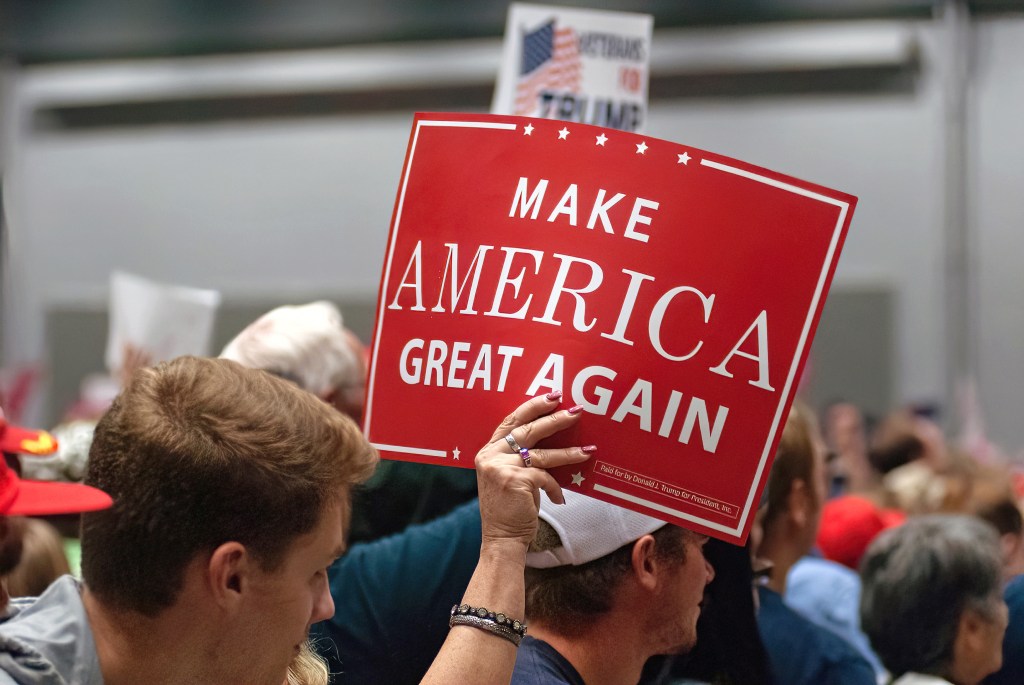
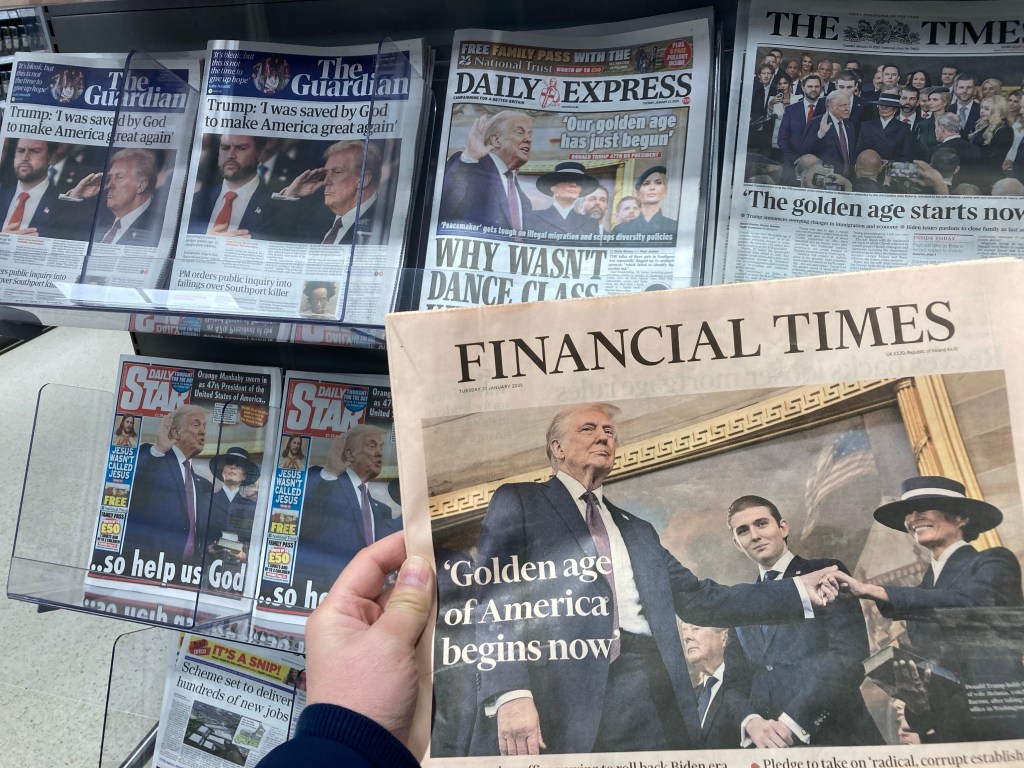
The two major parties work together in a strange way to incentivize voter participation. Think about it– When one side is on top, the other side becomes more invigorated. In turn, they show up to the polls, win the next round of elections, and a change of guard ensues.
That’s usually when the other side, convinced that the country is heading in the wrong direction, organizes enough of a voter response to take back control the next time around. This dynamic has gone on since the day George Washington relinquished the Presidency and began the tradition of a peaceful transfer of power.
Traditions like that serve as the embers keeping the fire hot. They are the norms by which we all anticipate the future as best as possible.
Our founding documents outline the rules and procedures we all agree to abide by as well as the methods for how those laws are upheld. Basically, they provide the containment we need to let the heat of our passions burn as hot as possible.
The fact that the two sides are diametrically opposed actually helps the fire’s efficiency, so long as they remain civil… After all, they represent a huge variety of beliefs and ideologies, all joined together by common information. It’s the oxygen we need to power our convictions.
If you’ve stuck with me to this point (and I hope you have), then you might see where this is going…
Our “fire” is starting to put off smoke, as it does from time to time. It’s important to remember, fire can also be destructive. Side note- I lost my eyebrows incinerating those documents!
Unfortunately, when we’re talking about the human element, “smoke” means intolerance and violence.
It doesn’t matter who’s responsible for it- Republicans or Democrats. What matters is that it exists at all.
America shouldn’t put off smoke.
The Dantian Project has focused mainly on political theory up till now. However, a bend in the river is quickly approaching. Soon, we’ll need to dive into practical application.
How can we restore efficiency to our fire? In other words, how can we, as Americans, reclaim a world of political safety, freedom of expression and acceptance– or at the very least tolerance– for all?
I’d love to hear your comments.





Leave a comment